
The Wait And Hope Summer: How A Default Plan Quietly Recreates Last Year's Confidence Debt By Labor Day

Most families don't choose their summer plan. They default into it. Here's what that default summer actually looks like, why it deepens Confidence Debt every year, and what to do instead, before next Wednesday quietly turns into next September.
It's late July. The start of school is just around the corner. A parent is on the couch with a laptop, a glass of wine, and three tabs open: "tutoring near me," "summer reading list grade 4," and the Amazon order page where a math workbook is still showing delivered May 28.
The workbook never got opened. The reading list got half-done in June. The plan that felt reasonable in May, that felt loving in May, never survived July.
This is how summer ends in a lot of houses. It's how it's about to end in a lot more.
We see this scene every year. We've named it, because naming a thing is the first step in not living it again.
The Wait & Hope Summer
We call it the Wait & Hope Summer. It isn't a plan. It's a default. And the default is what families fall into when no one stops to choose otherwise.
The Wait & Hope summer has a predictable shape:
A workbook gets ordered in late May. The cover is bright. The pages are thin. The intent is good.
Camp covers two weeks. A vacation covers one. The pool covers afternoons.
A vague structure gets announced at the family dinner. Twenty minutes of math twice a week. Half an hour of reading after lunch.
The first three days, it works. The child groans. The parent holds the line. There are stickers.
Then someone catches a summer cold. Or a friend invites a sleepover. Or a last-minute weekend getaway lands on the calendar. Real life shows up and the structure quietly evaporates.
By the third week of June, the workbook is on the kitchen counter, then on the dining room buffet, then in a drawer, then buried under a pile of Amazon packages waiting to be returned. By mid-July, the reading hour is screen time. By the end of July, the parent is on the couch at 9 p.m., tab three open, panic-searching for someone who can fix two months of slack in two weeks.
We aren't exaggerating any of this. We watch it land in our inbox as summer vacation comes to an end every single year.
Why The Default Wins
The default wins for a reason that has nothing to do with parents being lazy or children being defiant.
The default wins because the plan was an instruction, not a system.
A workbook isn't a system.
A vague twenty-minutes-twice-a-week isn't a system.
A reading hour without a real reading list isn't a system.
Those are instructions, and instructions get overrun by life. They have no opponent, no schedule, no outside pressure, no one waiting on the other side of the table to notice when a child stalls.
A system has all of that. A school year is a system. That's why the school year keeps producing work product even from a child who would rather be playing Roblox. There's a curriculum, a teacher, a class of peers, a grade, a hallway. The system carries the student even when the student isn't carrying themselves.
When school ends, that system disappears. What replaces it, in most homes, is one parent trying to be the curriculum, the teacher, the hallway, and the grade at the same time, on top of working, parenting, and running a household.
It is not a fair fight. The default wins because the parent runs out of energy before the workbook runs out of pages.
The Trap Underneath The Trap
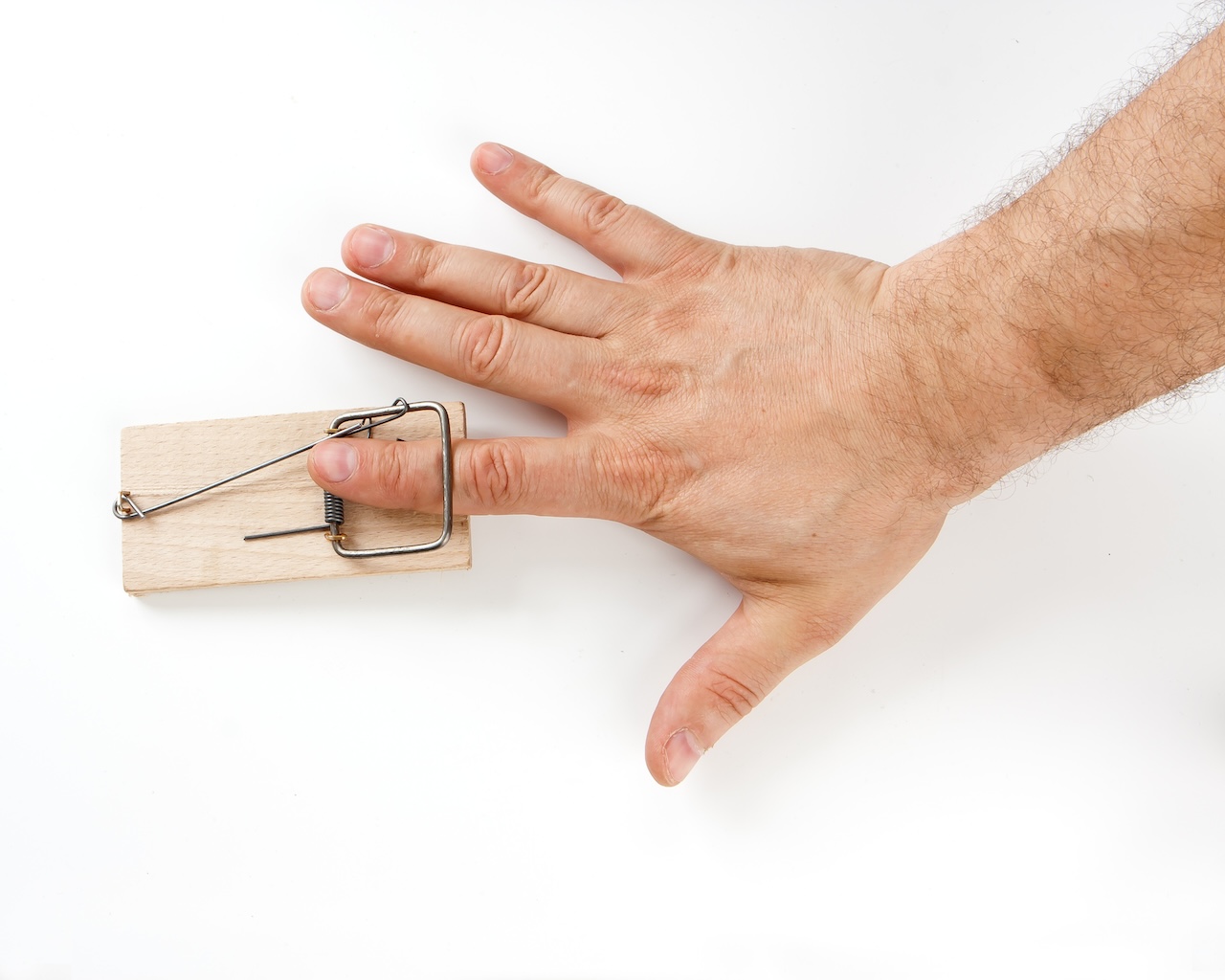
Here's the part nobody warns parents about.
When you take over the teaching at home, you don't just inherit your child's workload. You inherit a role we've named inside our centers for years: the Worksheet Giver.
A Worksheet Giver hands a child a page, walks away, comes back, checks the answers, gives a hint, gives a bigger hint, eventually gives the answer, and moves on. The page gets filled in. The child learns one thing: they couldn't do it without help.
Multiply that across a summer and the child walks into September with the same belief they walked out of June with. I need someone next to me to get through this.
That isn't a small thing. That's the Managed Student dynamic, recreated in your own kitchen, on your own time, with worse hours and no curriculum to back you up.
The dynamic that already failed your child during the school year is the one you have quietly signed up to recreate.
That isn't a flaw in you. It's a flaw in the plan.
What Summer Actually Is
Now flip the script.
Summer is the only stretch on the calendar where nothing else academic is competing for your child's attention.
No homework.
No tests.
No teacher trying to keep twenty-five children on pace with a curriculum that doesn't have time to look backward.
For ten weeks, the only thing you have to fight for is your child's attention. Not their compliance. That's a different game, and a much winnable one.
Summer is also when the school year's invisible problem becomes visible, because there's nothing else hiding it. The Ghost Gaps that the year-long curriculum kept rolling past? They surface the minute the curriculum stops moving. That's good news, if you have a plan ready to do something with what surfaces.
This is the window where real Confidence Capital gets built. Not the borrowed, "I got the extra credit points and got a B on the test" version. The real version. The "I figured this out myself" version. The kind a child carries into the first hard quiz of the next year and quietly thinks, I have done this before.
The Quieter Summer
The version of summer we run at Engenius is small. On purpose.
Short sessions. A few times a week. Aimed at the gap, not the grade. Built around the specific places where last year's curriculum quietly moved on without your child.
No homework battles, because there's no homework.
No nightly stand-offs, because we don't ask you to be the teacher. We do that part. You go back to being the parent.

There's a line we use inside our centers that fits here: aspirin first, vitamin always. Most families show up to summer needing the aspirin. Relief from the school-year tension. A break from the kitchen-table fights. A chance to exhale. We give that first. Then, underneath, we work on the vitamin: the foundational pieces that close the Ghost Gaps and rewrite the child's relationship to the work itself.
Six weeks in, what you tend to see at home isn't a different report card. It's a different child. A kid who picks up the book without being asked. A kid who tries the hard problem instead of skipping it. A kid who corrects themselves out loud, mid-sentence, without you having to point it out.
That's what a Confidence Capital summer looks like. Quiet, mostly. But real.
Two Questions Worth Asking This Week
Before the workbook arrives, before the camp packing list goes out, before the calendar fills up, sit down with two questions.
One. What did this past school year leave unfinished? Not the report card. Underneath the report card. The places where you watched your child shrink, freeze, or check out.
Two. What do you want different by Labor Day?
If the honest answer to question one is, "I'm not sure, but I felt something was off," that is a real answer. That's where Ghost Gaps live. They don't announce themselves. They show up as effort that didn't translate, grades that didn't match the work, confidence that quietly leaked out of the room.
If the honest answer to question two is, "I want fall to start without the dread," you don't need a workbook. You need a plan.
Your Kitchen Table Doesn't Have To Be A Classroom
The single best decision a lot of families make in late May is the decision to not be the summer teacher. To take that role off their own shoulders, hand it to people who do it for a living, and reclaim the parts of summer that get lost when every dinner ends in an argument about reading.
Your kitchen table stays a kitchen table.
Not a battleground.
Not a homework station.
Not the place where your relationship with your child gets dragged into one more fight about school.
You stay the parent. We carry the rest.
What To Do Now
Summer sessions are filling. Not because we're manufacturing urgency, but because the families who lived a Wait & Hope summer once tend to book early the second year around.
Contact your center director and tell us the one thing you want different by Labor Day. We'll map the right path before next week.
That's it. One short conversation. No homework. No kitchen-table negotiations. Just a plan you didn't have last August, the kind that lets September show up without the laptop, the wine, and the three open tabs.
Stay connected with news and updates!
Join our mailing list to receive the latest news and updates from our team.
Don't worry, your information will not be shared.
We hate SPAM. We will never sell your information, for any reason.